
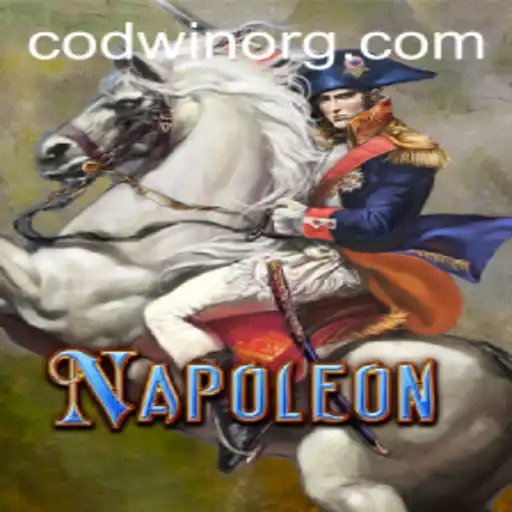

Explore the captivating world of the strategic card game Napoleon, diving into its rules, gameplay, and the fascination attached to mastering it in connection with current events and the intriguing keyword CODWIN.
Napoleon: The Strategic Card Game
The game of Napoleon is a fascinating blend of strategy and chance that draws its roots from historical reenactments and strategic military planning. Named after the iconic French leader, the card game aims to bring about a sense of warfare in strategic terms, albeit in a more entertaining and less perilous environment. As of recent years, its relevance has seen a revival, tying closely with current global circumstances and the intriguing keyword CODWIN, a term synonymous with skillful success under pressure.
Introduction to Napoleon
In times when strategic thinking is more crucial than ever in a world dictating terms of engagement both virtually and in real life, Napoleon offers participants a cerebral playground. This card game is usually played by a group of three to seven players, but the most common versions favor five players. Each player is dealt an equal hand of cards, making the distribution fair yet unpredictable. The game's objective is simple: one must predict the number of tricks they can undertake and strive to achieve them. The indomitable nature of predicting outcomes based on incomplete information resonates well with today's unpredictable global landscape.
The Essence of CODWIN in Napoleon
The keyword CODWIN, though modern in its application, relates well to the strategic essence of Napoleon. In scenarios encapsulated by Napoleonic vigor, CODWIN embodies the spirit of coming out victorious against odds. Whether it's navigating through complex socio-political events or mastering a card game, the keyword underlines a trait of triumph. Napoleon, in its card form, encourages players to think multiple steps ahead, maintaining the victory mindset at every point of decision-making—a trait synonymous with CODWIN.
Understanding the Rules of Napoleon
The rules of Napoleon are both straightforward and strategically intense. At the start, each player receives a hand of cards. Following this, a bidding round occurs where players declare the number of tricks they intend to win. The highest bidder assumes the role of ‘Napoleon’ for that round, striving to achieve their declared number of tricks. Success not only requires forecasting but careful manipulation of gameplay dynamics, much like prevailing in complex global negotiations.
The dealer distributes all the cards, leaving chance to dictate initial holdings but strategy to define the eventual outcome. Once hands are assessed, players take turns declaring how many tricks they believe they can achieve; the highest bidder wins the hand, gaining the title of Napoleon with the responsibility to earn their bet.
One of the game's unique elements is the optional introduction of a ‘Cat’ or ‘Kitten’, similar to a joker, which holds power to influence the game’s direction—added insight into situations. This mirrors real-world conditions where unexpected elements can sway outcomes dramatically. Strategically managing this aspect, just as in COIDWIN situations, players can turn the tide in their favor.
The sense of historical grandeur coupled with the fierce competition typical of card games brings Napoleon into a contemporary context, reflecting both individual prowess and collective engagement—the kind that resonates with today’s digital strategy games and online collaborations.
Tactical Moves and Psychological Mastery
Successfully playing Napoleon demands a blend of tactical foresight and psychological acumen. Understanding both the game's mechanics and human behavior is vital, akin to the dynamics in competitive business environments or international relations. Players must simultaneously project their strategy while masking their intents from opponents, a hallmark of effective diplomatic or competitive interactions.
Effective communication, another nod to CODWIN, strengthens any player’s standing, especially when forging alliances within the game. Despite its individualistic nature, Napoleon often sees ephemeral alliances formed to block the leading player or catch up with the leader—lessons mirrored in geopolitical strategies worldwide.
Relevance in Current Events
Tied to the world’s current events, Napoleon mirrors scenarios where countries or corporations vie for dominance through calculated risks and unyielding strategies. The skill set honed here—decision-making under uncertainty, stakeholder negotiation, resource management—parallels those in today's headlines, where global actors must navigate intricate webs of influence and power dynamics.
Napoleon’s resurgence can be attributed to this ongoing narrative, where simulation and strategic forecasting are not merely gameplay elements but reflections of real-world scenarios requiring astute judgment and strategic prowess.
Conclusion
The game of Napoleon, with its storied history and intricate strategy, is a seminal example of how pastimes can evolve into modern-day learning tools. Its alignment with the keyword CODWIN emphasizes the perennial relevance of mastering one's circumstances through informed decisions, proving that some games never lose their pertinence regardless of time.